Community Spirit: The Rise of Grassroots Whisky
Whisky is home to some big brands, but in these trying times, it's the smaller players who are getting a lot of attention. Joe Rogers catches up with the folk behind grassroots distillery Kythe and independent bottler The Heart Cut to learn more
The story of Scotch whisky has always been one of boom and bust. Today, declining sales and punitive tariffs bring back unpleasant memories of the 1980s, when collapsing demand for blended whisky saw distilleries closed and jobs lost from the Lowlands to the Hebrides.
But even as the industry embarks on a fresh round of cutbacks, a few small players are forging ahead despite gloomy forecasts. One reason whisky is so sensitive to economic fluctuations is that the big companies rely on dizzying economies of scale. But in these challenging times, staying small and focusing on whisky’s grassroots supporters makes a lot of sense.
By Whisky Geeks, For Whisky Geeks
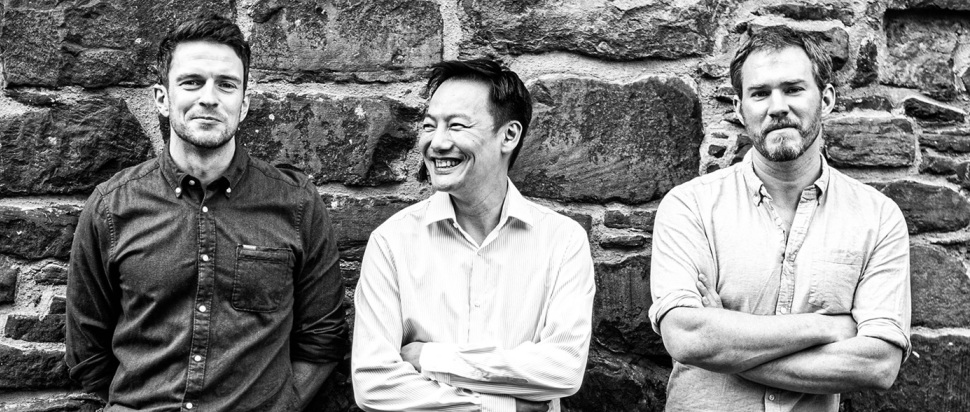
When I catch up with Jonny McMillan, he’s preparing to launch Kythe Distillery in Perthshire, a passion project started with fellow whisky lifers Aaron Chan and Angus MacRaild.
“It took about ten seconds to come up with the concept and ten years to fund it,” he tells me. When Kythe comes online, it will be among the smallest distilleries in Scotland. Which means it will rely on a dedicated following to keep the lights on.
“We’re going in with our eyes open to the fact that it won't be easy. We’re tiny in scale. We’ll make in a year what Cameronbridge [Scotland's largest distillery, owned by Diageo] makes in four hours.
“We can’t compete on price. When you’re working with heritage barley, hand-stirred mash and direct-fired stills, these things are labour-intensive and expensive. So, we need to compete on quality.”
One criticism often levelled at the titans of modern whisky is that they’re out of touch with what enthusiasts actually want. The 1980s crash saw many companies refocus production on yield and consistency to bring down costs. Character became secondary to efficiency, and the diverse and idiosyncratic whiskies of the 1970s and earlier faded into memory. That’s not to say there isn’t outstanding whisky being made today, but something has definitely been lost.
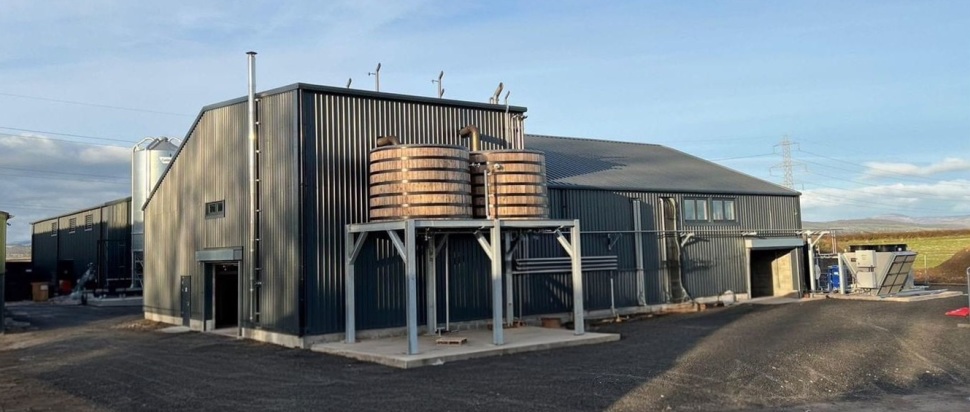
Kythe Distillery.
“I don't think it's controversial to say that pretty much all distilleries run very similar productions today,” McMillan explains. “There are outliers like Dornoch or Strathearn, but otherwise everybody uses whatever the paradigm barley variety is at the moment. Everybody’s also using the same kind of yeast, more or less.
“If you translate that to other alcohol categories, it’s just insane. Can you imagine all winemakers using the same grape variety?”
Kythe has been designed to recreate old-fashioned Highland single malt. Its first bottling is still some years away, but anticipation is already building.
“We’re whisky nerds,” says McMillan. “We didn’t come at this from an angle of having loads of land or loads of money. A lot of new distilleries are built by people who’ve been in the industry a long time and also happen to be landed gentry with a castle in their back garden. They get a consultant to tell them how to make whisky, they start an amazing brand and open a lovely tea room. That’s not us.
“One thing that's been very important to Angus, Aaron and me about what we're doing is there's an authentic truth to it. There’s a reason we’re doing these things, and I hope that's going to come through.”
Small but Mighty
Kythe isn’t the only new producer to eschew scale in favour of geeky whisky. McMillan mentioned Dornoch in Sutherland, founded by brothers Phil and Simon Thompson in a repurposed fire shed. They’ve built such a fanbase that they’re currently building a larger distillery called Struie, which will also specialise in fruity, textural old-school malt whisky.
Then there’s Daftmill in Fife, built by farmers Francis and Ian Cuthbert. Despite producing tiny quantities of spirit and having essentially no marketing budget, Daftmill has been celebrated for reviving an historic style of elegant Lowland whisky.
When I speak to Georgie Bell, co-founder of independent bottler The Heart Cut, she’s vocal about the importance of giving the people what they want.
“We launched The Heart Cut in 2023,” she says, “so we've only ever been small, and we've only been through turbulent times. I think that’s probably a good thing in the sense that we’re not blindsided. Because we’re small, we’re able to listen to the community we’ve got around us and we’re able to pivot.”
Unlike more established bottlers, The Heart Cut only buys casks directly from distilleries, making selections informed by feedback about what its fans would like to drink.
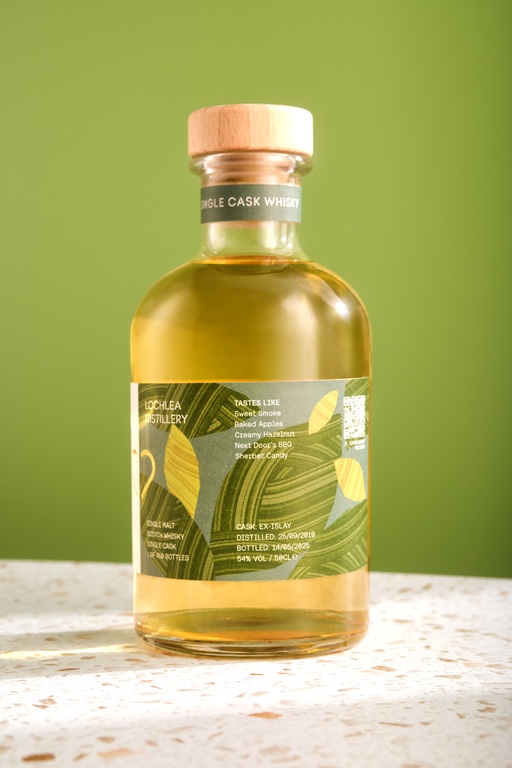
The Heart Cut - #17 LOCHLEA. Image: Addie Chinn.
“By listening and being fully embedded within whisky communities, you realise that people want stories, people want transparency,” says Bell. “Being small is powerful, because as long as you’ve got the right values and the right quality credentials, it allows you to listen, it allows you to be nimble.”
Already an indie darling, The Heart Cut will never come close to the big players in terms of magnitude. But like other operations eyeing modest growth and great whisky, it could make a difference to those of us who love a good dram.
Whisky will never really go away. But the model under which it's produced may have to change, and the new wave of grassroots producers offers a possible way forward.
As McMillan puts it, “we’re going into this with a kind of cautious optimism. Or maybe cautious pessimism? Optimistic pessimism."
What could be more Scottish than that?
Joe Rogers lives and works in East London, but can often be found chasing whisky around Scotland, Ireland and beyond. He writes about food and drink culture, with a particular focus on spirits and cocktails, and would love to have a Martini with you next time you're in town.
kythedistillery.com
theheartcut.com
This article is taken from issue three of GNAW, the food and drink magazine from the team behind The Skinny. Pick up your free copy at venues across Scotland and beyond, and follow GNAW on Instagram at @gnawmag