This Woman's Work: Women in Whisky History
Women have played an integral role in whisky history – Ellie Nichols highlights a few key figures from across the centuries
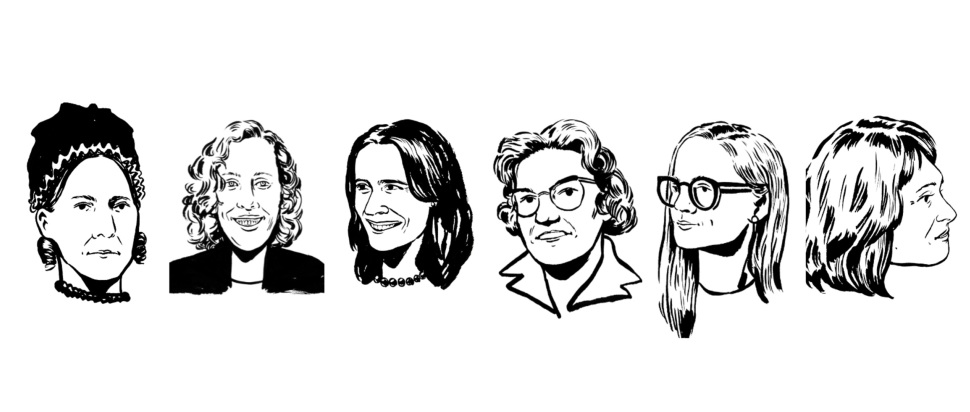
The recent struggles of women in the whisky industry can be traced back, sadly, to an older generation who viewed whisky as a ‘man's drink’ – the same kind of man who would happily describe his female assistant as ‘Busty Elenore’ in his memoir. Not naming names, but it’s happened!
Unfortunately, poor Elenore won’t be the last to experience this kind of behaviour. As a woman currently working in the whisky industry, I've been exposed to numerous instances of casual misogyny, which got me thinking: what about the whisky women who walked so others could run?
Helen Cumming.
Women have been brewing beer as far back as ancient Mesopotamia. In Medieval England, it would have been completely normal to see alewives brewing and selling their wares from their farmhouse window to use up the excess grain. Some increased their earnings by taking their craft to local markets, dressing in pointy hats to stand out, stirring a cauldron full of mash, with a feline friend to chase away the vermin. Witches’ brew indeed!
Just as women established a foothold at these beer markets, the Reformation began and tighter gender roles took hold. Being accused of ‘witchcraft’, for as little as brewing beer, could result in the death penalty.
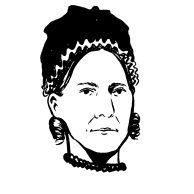
Bessie Williamson.
As times changed and distilling professionalised, however, widows would gather and operate communal stills, selling their barley spirit to smugglers who would then distribute it around Scotland – not just to supplement the family income, but as a means of survival for these women.
Take the formidable Helen Cumming of the remote Cardow Farm atop a hill in Speyside, who, like many of her neighbours, illegally distilled leftover grain to help ease finances. When weary excisemen, looking for shelter while collecting the extortionate taxes on spirits during the early 1800s, were lured into resting there by the smell of freshly baked bread, Helen would discreetly hoist a red flag to warn her fellow distillers of the impending visitors. In 1824, those taxes were lowered so that Cardow Farm could officially become Cardhu Distillery, which still stands today.
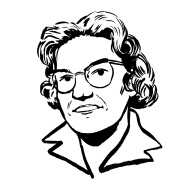
Rachel Barrie.
In Victorian times, women were still not taken seriously in business – perish the thought of a woman running a whisky distillery. But what if a woman should inherit a distillery? When poor Margaret Sunderland’s husband died in 1850, he left his widow a huge fortune… and Dalmore Distillery. Margaret’s father and brother figured they knew better, so they immediately intervened to run the distillery on her behalf but soon drove it into bankruptcy.

Annabel Thomas.
Come the 20th century, Bessie Williamson was the first woman to own and run a Scotch whisky distillery. Arriving in Islay for a summer job as a temporary secretary at Laphroaig, she became a hugely trusted employee who rose through the ranks and was bequeathed the business when the owner died.

Gillian Macdonald.
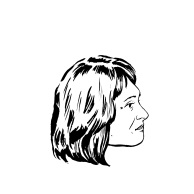
Nowadays, women have a more secure footing in the distilling world, including the wonderful Rachel Barrie, the first official female master blender at Brown-Forman (covering Glendronach, Glenglassaugh and Benriach); Annabel Thomas, owner of Nc’nean Distillery on the west coast; and Gillian Macdonald (master blender) and Bryony McNiven (distillery manager) of Ardbeg on Islay.

Bryony McNiven.
In addition to creating the malts and blends, women are also to the fore in sharing whisky knowledge through social media. Influencers include Moa Reynolds (aka Swedish Whisky Girl), Kristiane Westray, Becky Paskin and Millie Milliken – the latter two also run the non-profit Our Whisky Foundation, designed to give women the strength to showcase their expertise and expand their network.
Ellie Nichols is a Northern lass dramming it in Edinburgh since 2022. Enthusiastic about whisky and telling stories, she loves to venture into interior design, history and music. Follow Ellie on Instagram at @thedram.aqueen