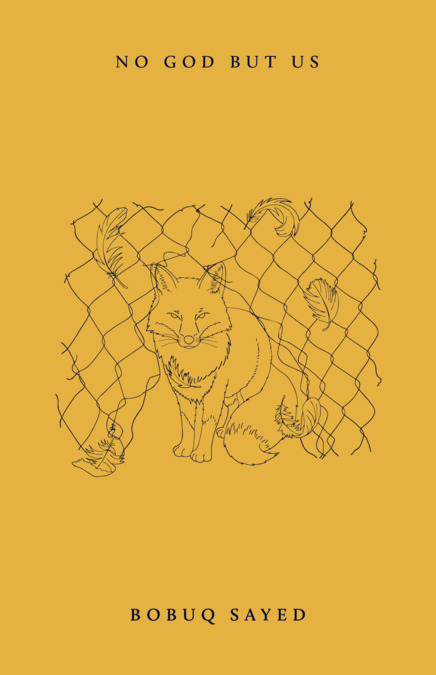
No God But Us by Bobuq Sayed
A delicate two-hander following a pair of queer refugees who meet in Istanbul, Bobuq Sayed's debut novel embraces queerness in all its complexity
Diaspora politics are tricky, but that does not stop No God But Us’s delicate journey through the reality of what it means to be a queer on the outside. Written by Bobuq Sayed, No God But Us is told from two points of view during the mid 2010s. Afghan-American Delmar leaves the United States for Turkey after being outed. There, at an NGO, Delmar meets another queer Afghan called Mansur; his family fled to Iran, but due to his own queerness, he is forced to seek refuge in Istanbul. Despite their similarities in queer and ethnic identities, their difference in passport access becomes too difficult to ignore.
Sayed seamlessly writes the characters with two clear voices, distinguishing the leads from each other by contrasting the naïvety and youth of one with the pessimism and assuredness of the other. This book imagines a queer experience so rooted in cultural and immigrant identity, whether drag culture in Istanbul or cruising in Tehran, that the book rejects the queer freedom myths of the west from the outset. At times the novel’s themes are explicitly repeated so often it can make you wonder if the author expected the reader to have forgotten them after every chapter, yet there is a real beauty in the novel's embracing of queerness in all of its complexity. A debut worth reading.