Susannah Wapshott on Scottish Opera's Marriage of Figaro
Scottish Opera’s Susannah Wapshott on accessibility, Mozart’s near-perfect score and why The Marriage of Figaro still resonates now
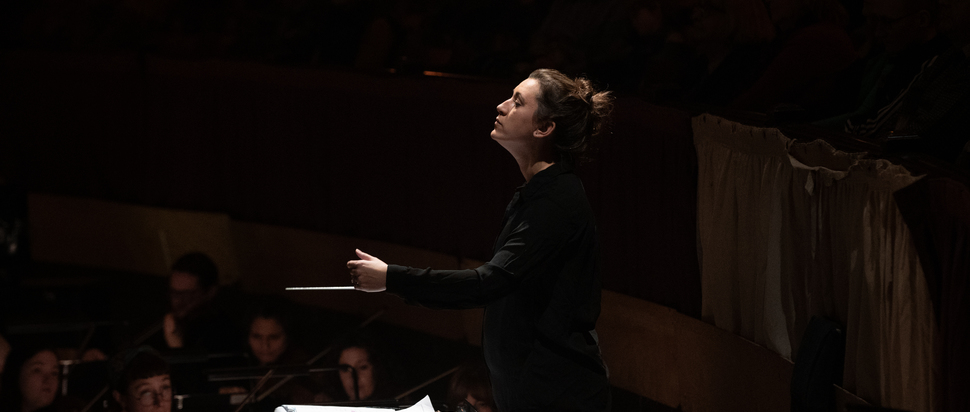
Few things compare to the escapism of opera. An art form that transcends time, its combination of music, storytelling and theatre creates an all-consuming experience that remains urgent. We sit down with Susannah Wapshott, co-conductor and chorus director of Scottish Opera’s upcoming tour of The Marriage of Figaro, to chat about everything from accessibility and young people to standout moments in the score, and why this wedding is not one to miss.
Just a couple of weeks till the curtain opens on Marriage of Figaro – how is it feeling?
It’s really exciting, rehearsals are in full swing!
This year marks 16 years since Scottish Opera first performed Figaro and ten since its last revival. The world feels very different now. What aspects of the show feel important to share with audiences today?
I’m glad you ask that, because you’re right – it is a different world. We’ve been having discussions in rehearsals about the themes of the show, particularly around misogyny, and how you can’t just brush that under the carpet. It’s been important to acknowledge that, especially given how many women we have in the room. Our associate director has made a real point of checking in with everyone and making sure people feel okay.
Having become so used to the material, I hadn’t really thought about it, but performing it in English and approaching it afresh has made those elements much more apparent.
I’m really glad that space has been made for that.
Absolutely. We’ve come a long way – we wouldn’t have had those conversations ten years ago.
And performing in English feels like part of that shift too. It really speaks to Scottish Opera’s commitment to accessibility – especially with a comedy like Figaro, where the humour can land more directly.
It’s made such a difference. We’ve done it with a few productions now and it’s had nothing but a positive impact.
The last time the show was staged, you were chorus master and repetiteur. How does it feel to return now as conductor and chorus director?
It’s been great – I feel like I couldn’t know the score any better! This time we have three repetiteurs playing: Toby Hession, our staff repetiteur, alongside emerging artists Toby Stanford and Meghan Rhoades. I know exactly where they’re coming from, so I feel well placed not just as a conductor, but because I’ve done what they’re doing. It’s always nice returning to a piece you’ve worked on before.
When Figaro was last staged, it marked Scottish Opera’s first dementia-friendly performance. I understand those adapted performances are continuing this time?
Yes. It’s part of our Marriage of Figaro Access. It’s an abridged version of the production – which is quite tricky with Figaro – but we’ve created a condensed version of the plot with a longer break in the middle. We have our cover cast and understudies performing, me conducting, and this time we also have a narrator to help fill in the gaps.
The idea is to make it easier to navigate, both in terms of the storytelling and the audience experience. The house lights stay up, people can move around as they need to, and it’s more relaxed – if you want to clap, you can. It keeps all the best bits of the show, but in a more informal setting.
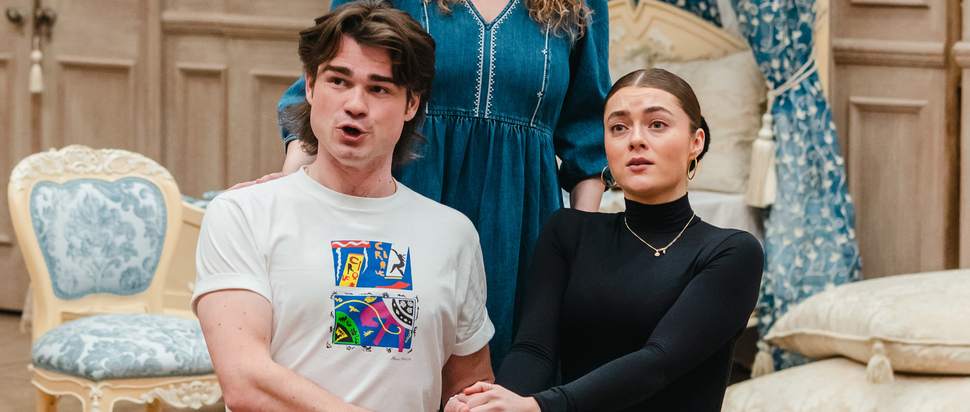
It’s great to see that level of thought going into accessibility. Alongside that, there’s also the children’s chorus.
Yes. We started a chorus of 35 children and young people last August. They’re learning stagecraft and singing, but also creating their own show. They’re working with Daniel Barrett, one of our emerging artists, and director Iona Boyd. It’s been wonderful to see.
It’s so important that young people are being brought into opera.
They’re our future audience. It’s such an amazing art form, and children should get to experience it.
For first-time viewers, what makes Figaro a good introduction to opera?
Where to begin! There are lots of well-known tunes people will recognise, and hopefully leave the theatre singing. It’s a comedy, the characters are colourful, and at the end of the day it’s a good story. And the music is fantastic – Tom Allen has done a sensational job.
Do you have a favourite moment in the score?
The Act 2 Finale – it’s a joy. And the Sextet in Act 3. Having worked on it again, that’s become a favourite.
I imagine that might change as the run goes on.
Definitely. There’s so much detail in the score. Every note has its place and needs to be played consciously – dynamics, phrasing, everything is deliberate. It’s almost perfect. Even the chorus parts, which are intentionally more straightforward, are still great music.
The characters balance comedy with emotional vulnerability, and for all the chaos, it’s a story about love and relationships. What do you hope audiences take away?
I hope audiences feel enriched in every sense. There’s the visual beauty of the set and costumes, the sound of the live orchestra, and the love story at the heart of it. If those three things come through, I’ll be happy.
As complicated as the plot can be, it seems to be about people finding their way back to each other.
And no one dies!
Scottish Opera’s The Marriage of Figaro tours throughout May and June in Edinburgh, Glasgow, Aberdeen and Inverness. Access performances are available in Edinburgh and Glasgow, with audio-assisted performances and touch tours available across all venues