How socio-economic structures ignore hormonal changes
Poor sleep, mood swings, and an unforgiving work-life balance. One writer explores the unacknowledged weight of capitalism upon perimenopause and menopause
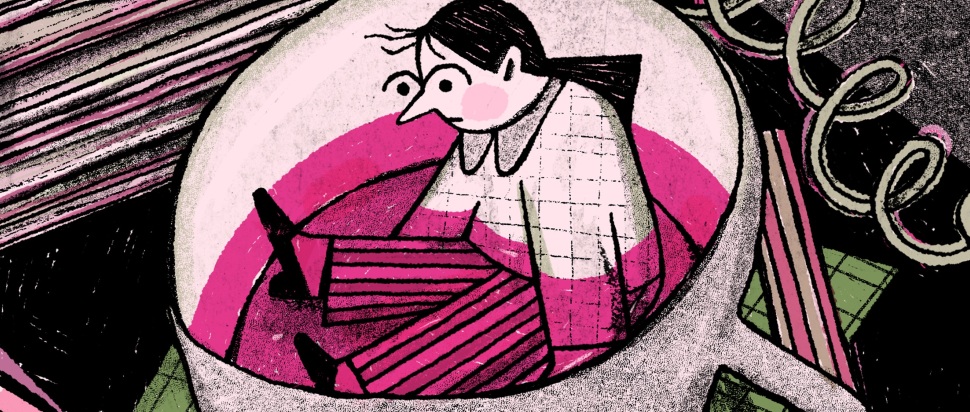
There is a question I keep returning to lately, usually somewhere between a work meeting I can’t quite follow and the sudden urge to cry, scream, or lie on the floor: is this perimenopause, or is it capitalism? The answer, I’m starting to think, is both. But we are taught – socially, culturally, medically, politically – to pretend these things can be separated.
Perimenopause is not brief. It can last for years. Hormones fluctuate. Bodies behave unpredictably. Sleep fractures. Desire comes and goes. Anger arrives without warning. And yet this transition happens at precisely the point in life when we are expected to be most stable, most productive, most capable: productive workers, reliable carers, emotionally literate adults, astute peers, people who can ‘manage’ themselves. A recent study from Cardiff University suggests that around 70% of people who menstruate experience neurological or psychiatric symptoms during perimenopause. One long-term study published in the São Paulo Medical Journal found that over a quarter of people with no prior history of depression developed major depressive disorder during this time. These aren’t marginal numbers. This is a structural experience, and yet it is framed almost entirely as an individual problem.
I’m 38. When I went to the NHS, I was told I was “too young” to be perimenopausal, even though perimenopause commonly begins a decade before menopause itself. What I feel I was actually being told was something else: “This disruption doesn’t fit the story we have about your body, so we’d rather not hear about it.”
Within a single day, I have felt utterly repelled by touch (and sound – please may chewing gum be universally banned) and then overwhelmingly, unmanageably sexual (imagine Greta from Gremlins 2 – let this be a warning to anyone who gives me even the hint of flirtation). This isn’t just personal chaos. It’s a collision between a body in transition and a system that demands consistency. I have bled for eight weeks straight. Eight weeks of exhaustion, of cramps that double me over, that leave me lying on the bathroom floor; brain fog so thick it feels physical, like a thick treacle beneath my skull. Eight weeks of holding myself together in professional (and personal) spaces while feeling that I am completely falling apart emotionally and physically. Capitalism has no language for this.
Many of us have worked for decades with little to show in terms of security. As found by the Resolution Foundation in 2023, my generation is half as likely to own their own homes as their parents were 30 years ago. And yet, pressure to be grateful is constant. The pressure to keep going is relentless. The pressure to reproduce (potentially from within your body, but always from society and the economy) still hangs heavily over my generation, but especially those of us who read as women. Those most likely to experience perimenopause are also the people most likely to be holding up the unpaid labour that capitalism quietly depends on: caring for children, partners, and ageing parents; maintaining households; smoothing emotional lives; absorbing crises. This labour is not recognised as work, yet the economy could not function without it.
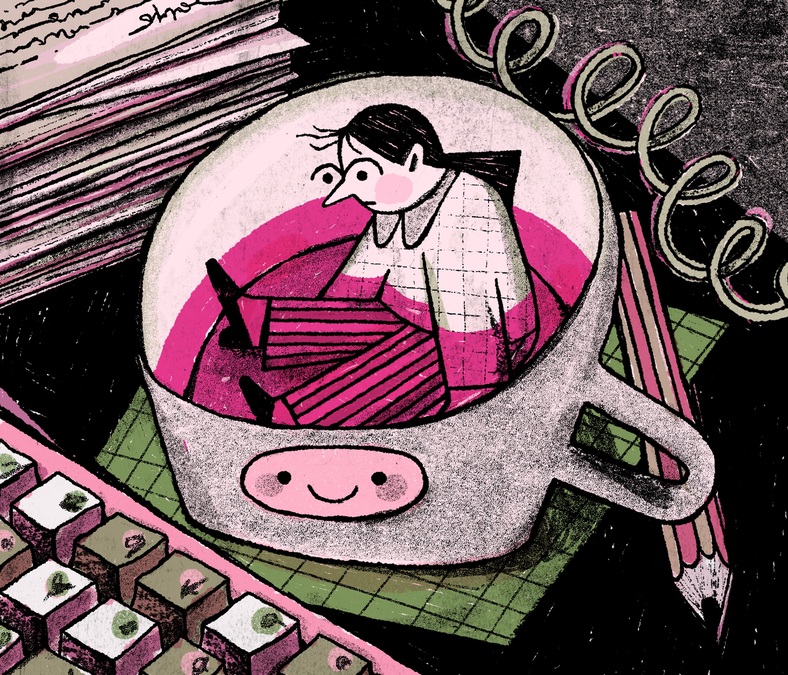
Since COVID, burnout has entered our everyday vocabulary. People talk about ‘being burned out’ as though it were a personal malfunction rather than the predictable result of an economic system organised around extraction, speed, and constant growth. Burnout is capitalism’s trick: the collective consequences of structural violence reframed as individual weakness. Perimenopause sits uncomfortably close to this logic. The symptoms are at times indistinguishable from the effects of long-term precarity and overwork. But instead of questioning the conditions that make this transition unbearable, we are encouraged to optimise ourselves: to seek resilience, productivity hacks, mindfulness, medication – anything that allows the system to continue uninterrupted.
Capitalism celebrates bodies that appear limitless and unchanging. The myth of the hyper-masculine, endlessly productive figure (see Elon Musk, Jeff Bezos, Donald Trump) depends on the denial of vulnerability, dependency, and fluctuation. Bodies that leak, rage, rest, or refuse are treated as problems to be managed, not truths to be learned from. So, when a nurse says, flippantly, “Oh, women and our hormones, what are we like?” to me while taking my blood for tests, it isn’t just ignorance. It’s ideology. It’s the dismissal of bodies that refuse to conform to capitalist fantasies of control. There are darker realities here that these remarks dismiss. As research published in Women’s Health (Lond) reports, suicide rates are notably higher for those aged 45 to 55. Meanwhile, UK charity Mind highlights that menopause can bring about a number of mental health difficulties. Perimenopause isn’t just about discomfort or inconvenience; it’s about survival.
What we need is not only better medical support – though that matters. We need shared knowledge, collective care, and a refusal to keep treating bodily collapse as a personal failure. We need to understand that our bodies are not separate from the socio-economic systems we live under: they are shaped by them, strained by them, and often sacrificed to them.
Is it perimenopause, or is it capitalism? It’s both. And until we are willing to talk about them together, people will continue to endure this transition alone, quietly, and at great cost.