Beyond the Plate: Communal eating in the modern age
Dinner’s ready and we’re keen to fill our plates. We speak to Glasgow-based supper clubs and community meals about bonding through a meal shared with friends and strangers alike
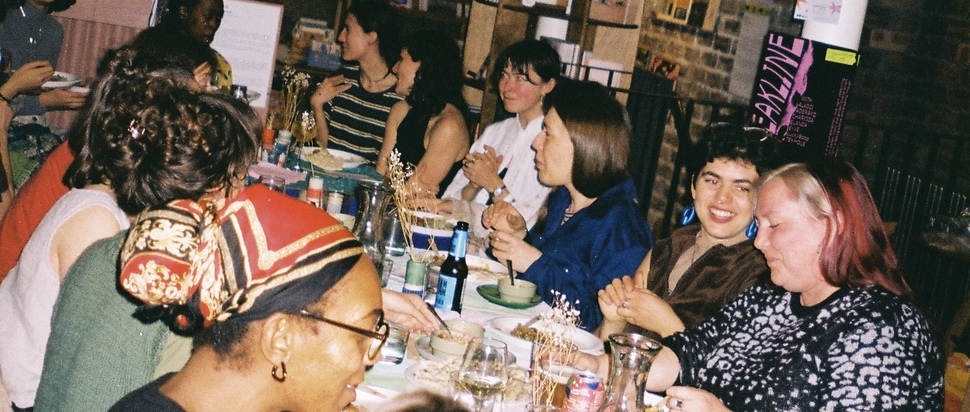
Dinner, it seems, isn’t enough to satiate us. Restaurants across Glasgow are struggling to attract clients, and the city’s hospitality scene has changed rapidly. Amongst this landscape of diminishing offerings, new forms of communal eating are rising.
Supper clubs of the early 1900s started as underground clubs offering food and music to a select clientele with specific knowledge of their existence. Their newest guise rarely includes live music, but they still invite guests to share a cultural, conceptual and social experience alongside the food.
“I found myself loving the country but missing familiar home flavours,” explains Marlon Gonzalez, who moved to Scotland from Cuba six years ago. “Attempts to create a Cuban eatery by either locals or immigrants tends to be a pastiche of real Cuban cuisine and more marketing than actual quality.” From this, Cuban Scran was formed. Gonzalez’s supper clubs offer the chance to try the cuisine he grew up with, which is so rarely represented in traditional UK restaurants.
Flavours, enthusiasm and stories offer portals through history and time. Gonzalez’s food is the focus – but this is food cloaked in cultural exploration and knowledge. “People generally love my food, feedback is positive and the main realisation is how much education I need to do to explain to people what the food is,” he reflects. Through authentic plates of Frijoles Blancos and Flan, Gonzalez is something of an ambassador and teacher of a culinary world. And, like the meals of Gonzalez’s childhood, they are consumed in tandem with other people.
During supper clubs, curiosity and sociability are nourished alongside the body. “The dinners are intimate and creatively stimulating to the level that nobody is a stranger when we close for the night,” explain Seán Talbot and Sophia Archontis from Opn Tble, a supper club for creatives in Glasgow. Alongside the food, each participant is invited to share a piece of work. Creative practice is unpredictable and lonely – fitted in around other schedules, in stolen moments and repurposed surfaces. These suppers offer a space for creative community and conversation.
“We frequently have people coming in with questions to ask to the table, or thoughts they want to develop... Often when given the chance to talk things through with other artists and creative folk you might get given an answer to a problem you never thought you could solve," say Talbot and Archontis. The food is important but the main value in Opn Tble is the spark generated between guests. The art world isn’t the most forthcoming, so these dinners offer participants the chance to sit as artists on equal footing with other artists, all self-proclaimed, and adding validity to their desire to create.
These same issues of access and means extend beyond the halls of artistic expression, and into the very purchase of food that makes dinner possible. Because, of course, not everyone looks at meals as a way to gain mental nourishment. Everyday essentials need to be budgeted for by people across Scotland, and access to hot food is not a given. Community meals fulfil an increasingly urgent role within their geographical communities. Unlike supper clubs, these have no theme beyond the shared food.
When Glasgow Autonomous Space (GAS) opened their new location in 2024, the community dinner was one of the first events they solidified. In the early days, the 15 or so diners could easily gather around a few tables. Now, each free, weekly dinner welcomes more than 60 people to the Govanhill space. A volunteer at GAS explains: “We have 60-plus people now and that’s made up of migrants, refugees, anyone in the asylum system; we get quite a few people who have experienced homelessness; local people from the neighbourhood. I’d say that pretty much everyone walks to the meal.”
GAS, with its welcoming and permanent space, has filled in an essential local service where other systems have fallen short. “We’re a mutual aid network based on solidarity, community care and trust… I think it’s such a precious and important third space that you don’t see elsewhere,” they say. Through consistency, these meals offer a fertile ground from which community can grow. They ensure connections are repeatedly nourished, especially through times of social or economic precarity. The food is the main appeal, but these meals also situate guests within their locality, and introduce them to other diners who could easily become friends.
Supper clubs and community meals speak to a desire to eat in communion with others; or, just feel like our community is there to help our need to eat. They fill the gaps of that which is missing – not by plugging a commercial hole in the market, but through satiating the needs and desires of people. The plate is just one part.
Follow @cubanscran, @opntble and @glasgow.autonomous.space on Instagram