The Testament of Ann Lee
Amanda Seyfried gives a stunning performance as the female Christ in Mona Fastvold's transcendent chronicle of faith, utopia and intractable pain
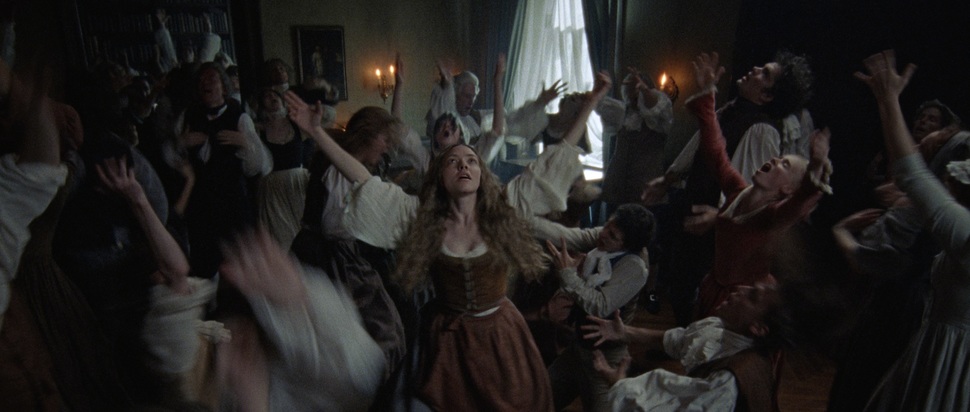
The team behind The Brutalist present a true companion piece in The Testament of Ann Lee. Part fable, part biopic, part musical, Mona Fastvold’s film traces the life of 'Mother' Ann Lee (an extraordinary Amanda Seyfried), the 18th-century founder of the Shaker movement. Born in Manchester in 1736, Lee grew into a woman plagued by visions, grief and sexual harm. She also proclaimed herself the female Christ and led a persecuted religious community from England to America.
It's a story that courts mockery, but Fastvold treats it with respect and a bright humour. She paints Lee as disarmingly coherent, transforming her pain into a way of being so extreme, so resolute, it is convincing as a proportionate response to trauma. Seyfried plays Lee as wistful, dogged and even, yes, sexy, her eyes flashing with a chiding certainty as she sings in the face of ridiculing seamen. It is little wonder people followed her.
Oscar-winning composer Daniel Blumberg (The Brutalist) draws from traditional Shaker hymns to undergird Celia Rowlson-Hall's (Aftersun) percussive choreography. These two great artists' contributions layer and blend, particularly in one transatlantic ship sequence where staccato and sway interchange as divine partners. This coalescing of ecstasy, however, comes at the expense of the narrative, leaving a thin plot that cannot fully bear the complexity from which Lee's beliefs emerge.
Fervent, visceral and even a bit funny, The Testament of Ann Lee explores what it means to exorcise one's filthiest grief, and what kind of world might be built in the aftermath.
Released 20 Feb by Searchlight Pictures; certificate 15