Minotaur
Russian filmmaker Andrey Zvyagintsev blends Greek mythology and a 1960s thriller from Claude Chabrol to create a trenchant metaphor for life in the complex moral labyrinth of Putin's Russia
It’s been nine years since Andrey Zvyagintsev’s Oscar-nominated film Loveless (2017). Since then, the Russian director has been labelled a 'foreign agent' by the Kremlin, forced to live in exile, and nearly died of a COVID-related illness that left him temporarily unable to walk. Yet, despite all those setbacks, Minotaur isn’t just a long-awaited comeback: it’s arguably Zvyagintsev’s most scathing indictment of Russian society to date.
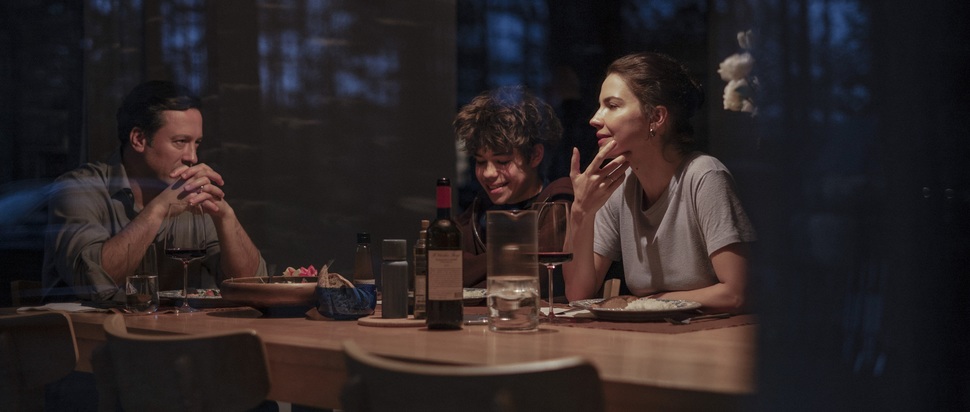
Loosely adapted from Claude Chabrol’s The Unfaithful Wife (1969), the film follows Gleb (Dmitriy Mazurov), the CEO of a logistics firm in a small Russian city. His slumped posture and weary demeanour suggest a minor Atlas figure, condemned to carry the weight of the world on his shoulders, albeit with none of the gravitas or the statuesque physique of a Greek titan. We first glimpse him with his wife Galina (Iris Lebedeva) and their teenage son, Seryozha (Boris Kudrin), through the floor-to-ceiling windows of their palatial home. Seen from afar, they look like any other family, but all is not quite as it seems. Gleb has begun to suspect that his wife is having an affair, after noticing the way her face lights up whenever she glances at her phone. Meanwhile, the mayor has demanded Gleb provide a list of 14 employees from his company who are suitable for conscription to Russia's war effort in Ukraine: the exact same number of sacrifices the Athenians once sent to the film’s titular monster, now paid in men to feed the war machine.
These two problems eventually entwine when Gleb enlists his head of security to spy on Galina. What follows is a violent altercation and a frantic attempt to cover his tracks that leads to the wealthy businessman deceiving one of his most loyal employees. In any other thriller, we would be on tenterhooks, flinching at every knock at the door and every siren in the distance, but this is Russia. Watching on, we know that Gleb will never have to pay for what he has done, the suspense of these scenes slowly draining away, replaced by an altogether more chilling reality.
Minotaur is best viewed as a psychological portrait of the societal impact of Russia’s 2022 full-scale invasion of Ukraine. The war is rarely spoken of, but it permeates every inch of the film, from footage of Russians streaming across the Georgian border and tanks being transported across a level crossing, to the anti-war graffiti adorning the walls of this fictional Russian city. However, there is a volume to what goes unsaid, which is amplified by Mikhail Krichman’s pallid cinematography and Zvyagintsev’s habit of holding shots a beat longer than feels necessary. The truth lives in these silences, and no one knows better than Zvyagintsev what it costs to speak it.
Caught between a Western boycott of Russian art and persecution from the Kremlin, Zvyagintsev struggled to find financing for the film. But Minotaur makes for a compelling case against wholesale cultural boycotts, providing audiences with the thread required to navigate the complex moral labyrinth of life in Putin’s Russia.
Released 27 Nov by MUBI; certificate 15