Kokuho
Despite some iffy camerawork, Kokuho is a spectacular if overlong tribute to one of Japan’s most treasured art forms, with impeccable performances
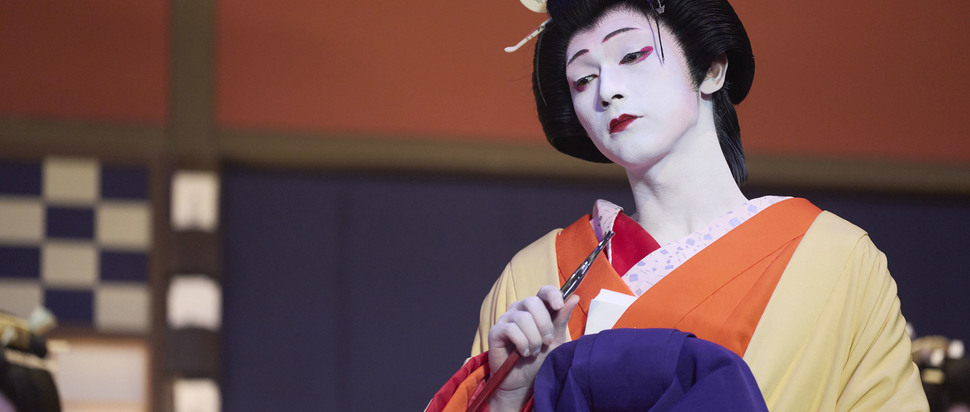
Kabuki theatre, as we're told at the beginning of Kokuho, is an art form dating back to the 17th century that features only male performers, including in female roles. These actors, known as onnagata (literally ‘female role’), persist to this day, and we’re taken through the decades in an epic chronicle of the life of one in particular: the orphaned yakuza outsider Kikuo Tachibana. His flawless performances attract the envy of Shunsuke Ogaki, a less diligent onnagata with kabuki in his blood, and thus begins a three-hour journey into betrayal, brotherhood, and sacrifice.
For all the beauty of the many performances on offer in Kokuho, director Lee Sang-il doesn’t do the finest job of framing them. Frequent cuts and a heavy reliance on close-ups and awkwardly angled wide shots leave you feeling like you’re either stuck in the cheap seats or not far from getting Kikuo’s makeup smeared on your shirt. This style isn’t conducive to a form of theatre famed for grand gestures and elaborately flowing body movements. Lee isn’t much less clumsy when it comes to narrative either, with a bloated story that seems to disregard some of its most exciting potential avenues, particularly where gender and performance are concerned.
This is salvaged somewhat by the film’s standout performances, particularly Ryo Yoshizawa and Soya Kurokawa, who in their turns as Kikuo make both the naturalistic real-world scenes and the bombastic kabuki sequences compelling throughout. Kokuho also boasts some of the finest hairstyles, makeup and costuming you’ll see onscreen this year.
Released 8 May by Vue Lumière; certificate 15