Bitter Christmas
Is one great scene enough to elevate a whole picture? In the case of Bitter Christmas, the latest from Spanish auteur Pedro Almodóvar, we say yes!
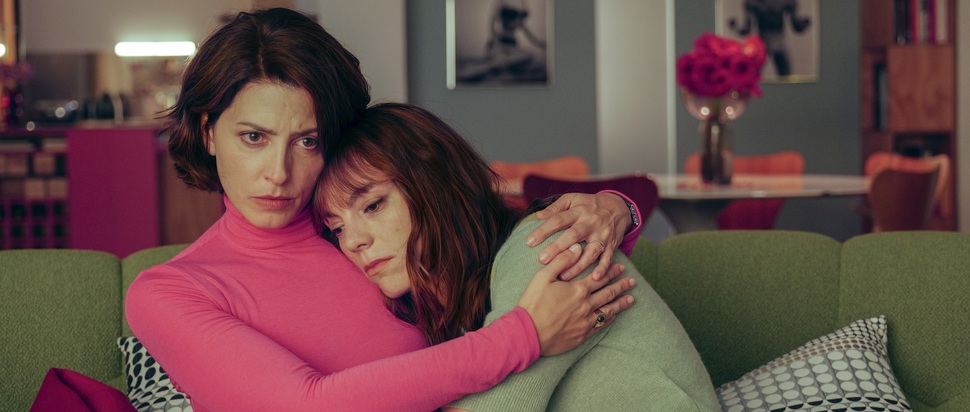
Pedro Almodóvar’s latest film is about a veteran filmmaker who has been coasting for some time on past glories. Is this an act of self-reflection from the great Spanish director? As we watch Bitter Christmas, we may be bewildered by how flimsy and arbitrary it feels. Almodóvar appears to be going through the motions, but he’s playing a cannier game here.
The story of migraine-afflicted Elsa (Bárbara Lennie), a one-time cult filmmaker working on a comeback screenplay, feels shapeless and lacking dramatic heat, but she is merely the protagonist in a story that Raúl (Leonardo Sbaraglia) is writing. Raúl is an obvious Almodóvar surrogate – as much as Antonio Banderas was in 2019's Pain & Glory – and the director doesn’t let himself off the hook. When his assistant (a fantastic Aitana Sánchez-Gijón) reacts furiously at him using her real-life tragedy for his script, she eviscerates his weak storytelling, bringing up many of the criticisms we may be ready to direct at Bitter Christmas.
Is one great scene enough to elevate a whole picture? In this case, yes. It’s a sly and self-aware way to reframe what we’ve seen through a revelatory new lens, and even if you don’t fully buy what Almodóvar is selling, the film offers ample aesthetic pleasures. His direction is as elegant as ever, and the way the characters’ vivid costumes pop against the black sands of Lanzarote make me gasp. Almodóvar’s still got it. He’s not just coasting along on past glories; not yet, anyway.
Released 28 Aug by Curzon; certificate 15