Nightshift Glasgow, and saving Glasgow's club scene
Nightshift Glasgow lays out a blueprint to transform the city’s nocturnal infrastructure – but what does it actually mean for the scene? One writer pieces together opinions from a cross section of Glasgow’s clubland
Resilient and gritty to the end, Glasgow has a legacy of survival that is undeniably marked in its club scene. “We have so many limitations, but we are still going out and enjoying ourselves,” says maveen, DJ and owner of independent label KIN-TU. Populated purely by passion and insatiable energy, to describe the scene here as magic almost doesn’t go far enough.
But passion doesn’t always pay the bills. Financial accessibility for grassroots collectives and punters is being achieved to the detriment of venues and promoters. Regularly working 60-hour weeks and running on fumes, the creatives who make club nights happen are exhausted and getting by on low or no pay. Cath Allison from Flos Collective CIC says, “I would do it all for free, again and again and again… but I’m knackered, and I need to have another job to support myself.”
Nightshift Glasgow: Glasgow City Centre Night Time Vision was produced and published by Glasgow City Council on 12 March 2026. Led by Sub Club’s Managing Director Mike Grieve, Nightshift proposes a comprehensive approach to Glasgow’s night-time economy that promises change. Detailing a vision for the city centre that sees it blossom into a ‘global 24-hour city’, the plan is ambitious, hoping to achieve both ‘cultural and social’ transformation through the improvement of transport links, wayfinding, safety in and around the centre, and fundamental changes to leadership. It represents a recognition of value in the scene that has not gone unnoticed. Speaking to Allison, she says, “When I first looked at the document, I thought it was amazing… it feels like someone's looked at Glasgow and seen the opportunity for the city.”
Nightshift Glasgow provides a glimmer of hope, but not without caution. With it only being a steering document, the direction in which action is taken is still to be decided.
“It’s life or death,” says Sam Clayton, co-founder of Save The Scene, an organisation dedicated to advocating for the grassroots music ecosystem, the artists, promoters, venues and workers who have made the scene home. “I think the document is a good start, but it really depends on how it’s implemented and how the energy is matched, because there is a lot of enthusiasm from a lot of different sectors.”
Facilitating conversation within the scene, a discussion was held by the organisation at The Pyramid about representation of the grassroots scene within the document. Looking to the future and the development of the plan, Save The Scene is concerned about how the grassroots community will be involved. Sophia Constantinou, director of FemmeDM, worries that “it will become too top-down or corporate, where the people actively sustaining nightlife don’t really have a voice within it.”
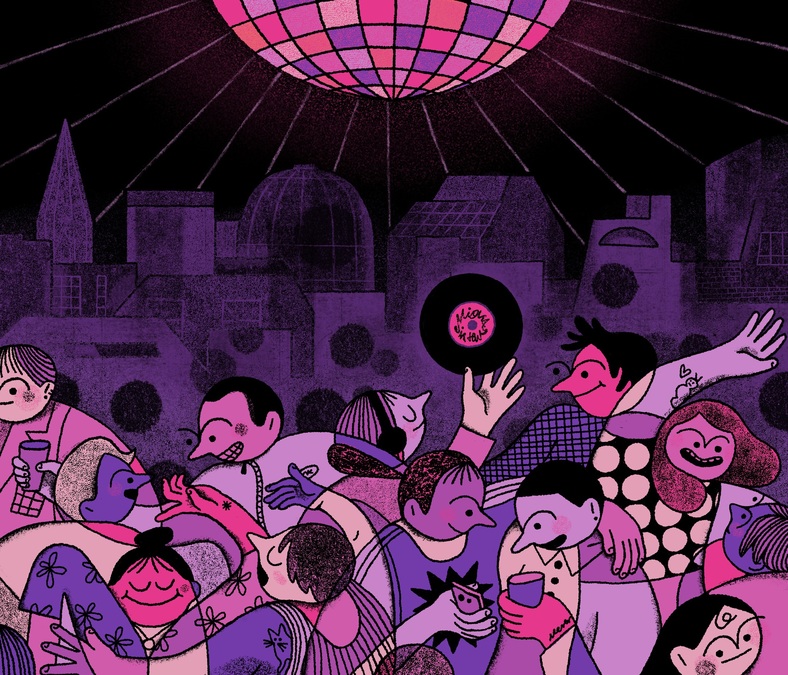
Illustration by Vaso Michailidou
The document promises to engage with ‘underheard groups’ such as the LGBTQ+ community, ethnic minority groups, young people, and disabled people, but engagement is not necessarily enough. "You represent people by listening to them,” Clayton tells us, “[but] you can’t share power through consultation – people need to hear that their voices are being listened to… that they’re being taken seriously.” Giving people agency over the decisions that will directly impact them allows real collaboration to be achieved and sustainable change to be effected: “It goes back to access and representation,” says Clayton. For Save The Scene, collaboration is not just about representation; it's about ensuring success. “We can revolutionise things,” Clayton says, “but it's important to get everybody on board.”
For Cath Allison at Flos Collective, the people must come first. “The city is more than lights and pathways… it's about the organisers, the venues and the people too... It’s a grassroots city, 100%.” With the recent closure announcement from The Flying Duck, the precarity of grassroots venues is on everyone’s minds. “Good transport links don’t matter if there are no venues to go to,” Allison tells us. “What’s missing is that there needs to be a first line of action which is – give the venues money.”
For maveen, it’s all part of a wider issue: “All these different societal issues come down to one bigger thing – either cheaper bus fares or cheaper rent leads to people having more money to go out and people feeling safer to go out… if you don’t have the ability to get in and out of Glasgow it's difficult to see yourself going into town regularly.”
It's a two-way street. Without financial relief for grassroots collectives, venues and artists, new infrastructure won’t matter, but without improvements to infrastructure and accessibility, you’ll lose the punters. It's precarious, but there is hope. With proper collaboration, the city might find itself on solid ground: “Glasgow is keen,” says Allison. Clayton reiterates; “People are so willing and have so much energy to be involved.”
“It's important for me to look back in 10 years and [see] something still here,” says Clayton.
For many, the club is a lifeline – a home. Across the city people are fighting for a culture that they recognise is vital for social mobility, cohesion and a sense of belonging. There is hope that Nightshift Glasgow shares this vision – in many ways, it's a last hope.
With thanks to Flos Collective, Save The Scene and maveen
floscollective.com
instagram.com/savethescenescotland
instagram.com/kin_tu_
instagram.com/femmedm.uk