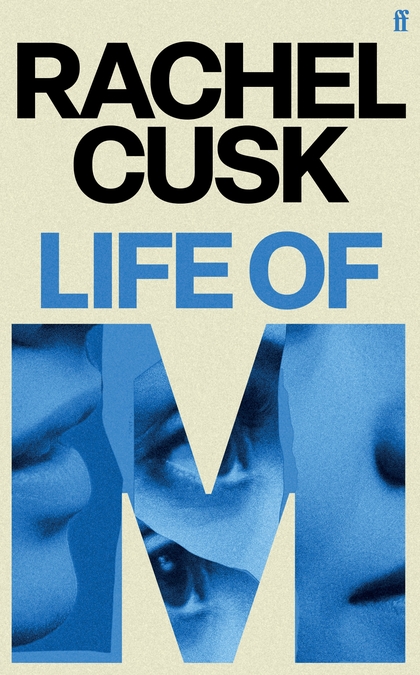
Life of M by Rachel Cusk
Beginning with the observations of fame, Rachel Cusk's anticipated Life of M becomes an inquiry into reality and representation

Rachel Cusk’s Life of M begins by dividing the world in two. The collective 'we' inhabits a life of seasons, dogs, hospitals and marriage; M, an actress friend of Cusk's initial narrator, passes through luxury hotels, film sets, yachts and exclusive spas. The distinction proves less important than it first appears. What passes between these apparently incompatible realities is a single habit of attention, forever testing the distance between lived experience and the versions of it that survive.
The novel proceeds by analogy. A screenplay, a photograph, an abstract painting, a museum, an olive grove, a psychic’s impossible perspective, even cinema itself, each returns to the same question: what becomes of reality once it has been catalysed by representation? Cusk’s answer is unsettling and original. Representation is always a falsification of reality, yet Life of M repeatedly entertains the possibility that our relation to reality has never taken any form that is not already once removed. The novel refuses either consolation or despair, gradually revealing performance to be as inescapable within domestic life as within celebrity.
This gives Life of M its extraordinary gravity. Celebrity and domesticity cease to function as opposing worlds and instead become different conditions under which reality is perceived. If Cusk's Outline trilogy dismantled the authority of self-narration, Life of M subjects our perception of reality to the same exquisite scepticism.