GSA Degree Show 2026: Design
Together, these emerging designers are challenging conventional boundaries while proposing thoughtful responses to contemporary life
The School of Design’s 2026 graduates are showcasing an energetic mix of work across disciplines – work spanning Communication Design, Fashion Design, Interaction Design, Interior Design, Product Design Engineering, Silversmithing and Jewellery, and Textile Design. What connects it all is a spirit of experimentation, a sharp sensitivity to materials, and a clear engagement with the world around them.
Maya Randall, a Communication Design student who is graduating from illustration, explores childhood nostalgia through playful and tactile animation. Rooted in the magic of children’s media, her practice foregrounds physical making and human touch, inviting viewers to reconnect with the joy of handmade processes. By revealing the labour behind her work, she builds emotional resonance while encouraging renewed appreciation for creativity in its most tangible form.
Graphic Design graduate Belle Breslin similarly embraces experimentation, blending analogue and digital processes across film, design, and object-making. Their surreal imagery and distinctive use of colour draw attention to inner worlds and overlooked details, transforming the mundane into something curious and unexpected. This approach encourages viewers to reconsider everyday objects and find beauty in the unfamiliar.
Themes of intimacy and observation are central to Olivia Proto’s lens-based practice. Working primarily with medium format film, she captures subtle, often overlooked aspects of human experience, such as the cultural and personal significance of hair. Her images evoke warmth and reflection, offering quiet moments that celebrate connection and everyday beauty.
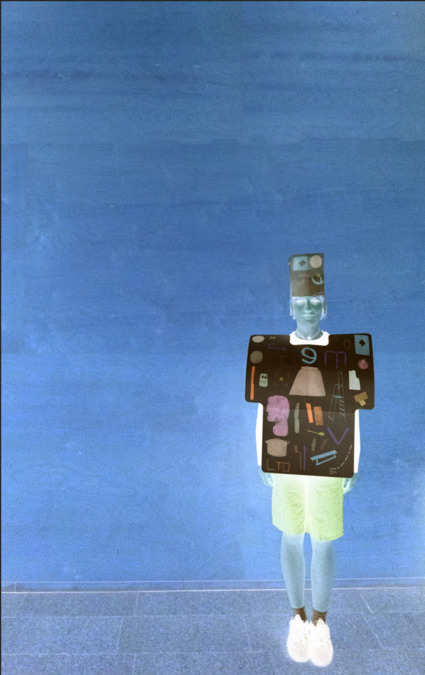
Belle Breslin, Communication Design.
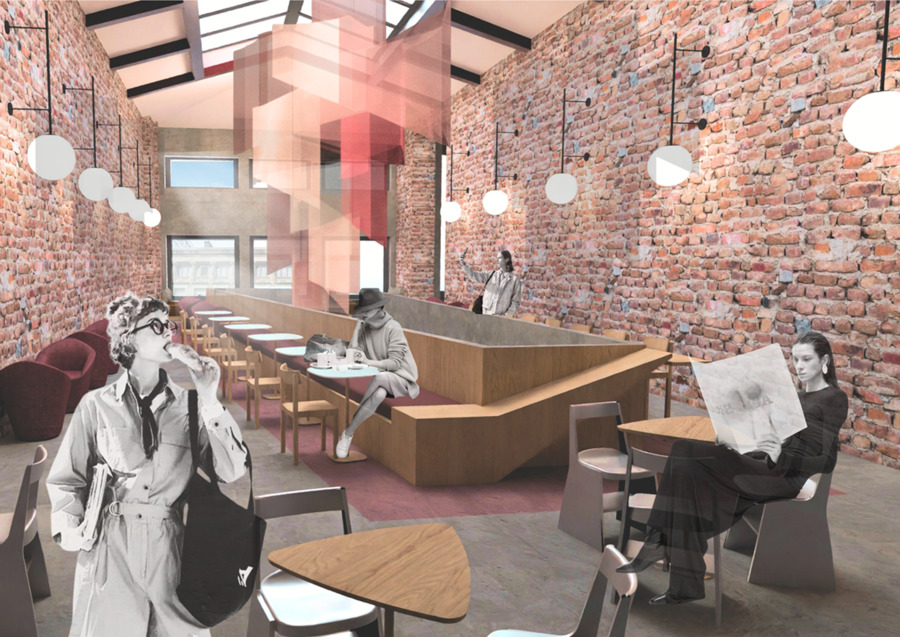
In Interior Design, several projects address the relationship between space, accessibility, and community. Zoe Dowman reimagines Glasgow’s former British Home Stores building as an inclusive music centre, opening it to the street to merge public and creative life. Her proposal seeks to revitalise the city while breaking down social barriers and making music more accessible.
Iona Taylor’s work explores accessibility, inspired by personal experience. Her work reimagines an historic building to show that inclusive spaces can also be beautiful and thoughtfully designed. Aiming to shift perceptions, the work encourages reflection on overlooked barriers while proving accessibility and strong design can coexist seamlessly.
Similarly, Carrie Matossian’s project, The Fold, proposes a safe and supportive environment for women and non-binary individuals in fabrication industries, combining workshop and gallery spaces to encourage participation while confronting systemic exclusion.
Fashion Design projects explore identity, environment, and representation through material and form. Kirsten Wood draws on lesbian history and queer club culture, using fluid silhouettes and unexpected colour palettes in traditional suiting fabrics to challenge norms and celebrate inclusivity. Nikola Dzigda rethinks outerwear by introducing more feminine perspectives into a typically masculine space, utilising sustainable materials such as Ventile to maintain performance while reducing environmental impact. Both designers highlight the potential for fashion to communicate identity while responding to broader cultural and ecological concerns.

Nikola Dzigda, Fashion Design.
Material exploration is also central to Maraud Pengelly’s work, which investigates 'liminal skins' through combinations of contrasting textures including acrylic, wool, fur and silk. These pieces blur the boundaries between digital and physical, comfort and unease, prompting viewers to question perception and engage emotionally with the work.
Product Design Engineering projects demonstrate a strong focus on functionality and real-world application. Erin Duffy’s Sonarc is a portable, low-cost ultrasound device designed to improve access to medical imaging in resource-limited settings. Through a simplified and repairable system, the project balances usability and durability while addressing a critical global need.
AJ Baines takes a similarly analytical approach, developing a rucksack that converts into a sled for winter terrain. By focusing on efficiency and adaptability, the design reduces physical strain and showcases a rigorous, process-driven methodology.
Students across Textile Design explore personal and process-led themes that merge disciplines. Christie Shannon explores the intersection of colour and line with her reversible knitted fabrics. Inspired by the playful distortion of underappreciated architectural forms like railings and staircases, she has created patterns that blend together the real and the transposed. Hand-manipulated techniques and pleating highlight these dual visuals, which work both in a fashion and interior setting.
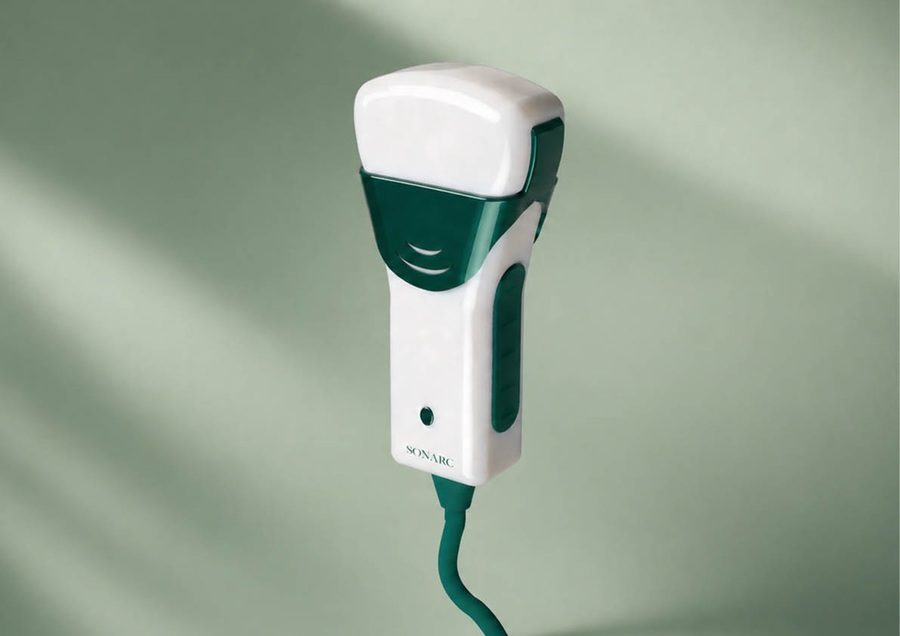
Erin Duffy, Product Design Engineering
Nell Burgess explores community-based practice and the ritualistic nature of weave. Interested in sustainability, locality and fibre, she delves into wool production and investigates how process-led slow-crafts can lead to a more intentional way of working. She merges disciplines, using natural dyes to emulate traditional Ikat weaving and creates a strong visual language of blurry-edged shapes and blended hues.
Sustainability is also a key component in Kirsten Harper’s embroidery. Exploring preservation and decay, she uses hand stitching, secondhand materials, and natural dyeing, to create material artefacts that exist within the boundary of modern day and the distant past. Her work is process-led, using found objects like bones, hair, and metals which emphasise textural qualities to evoke a sensory experience for the wearer.
Print student Maia McLaren reimagines botanical forms through a pop-art lens. Inspired by her time spent in Tokyo, she merges traditional Japanese florals with the neon lights of city streets, creating large-scale wall hangings and wallpapers that mirror these urban backdrops. Her work is process-led, using collage and screen printing to create graphic, multi-layered designs.
The Silversmithing and Jewellery cohort explore vessels in dialogue with the wearer. Lani Ward explores narrative jewellery as a tool to portray escapism. Inspired by the intimate nature of the medium, her collection of pendants acts as the physical embodiment of an imaginary world, moulded from the unconscious influence of a lifetime of reading. She is interested in combining textile processes and tactile qualities in her work, which create a sensory experience that brings this story to life through interaction with the wearer, using movement and sound.
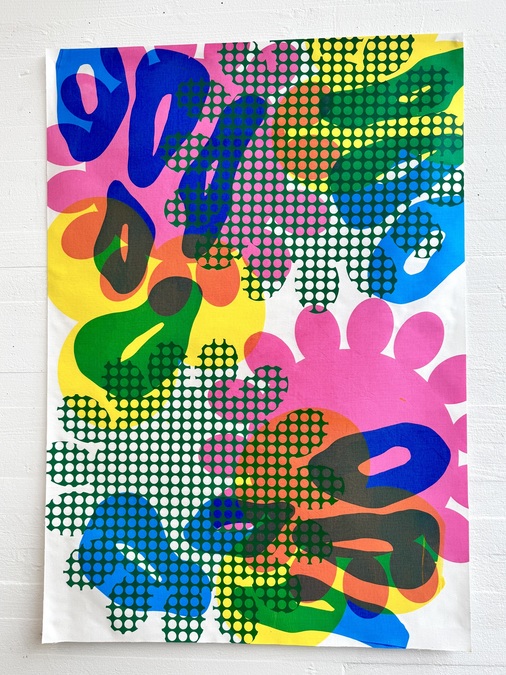
Maia McLaren, Textile Design
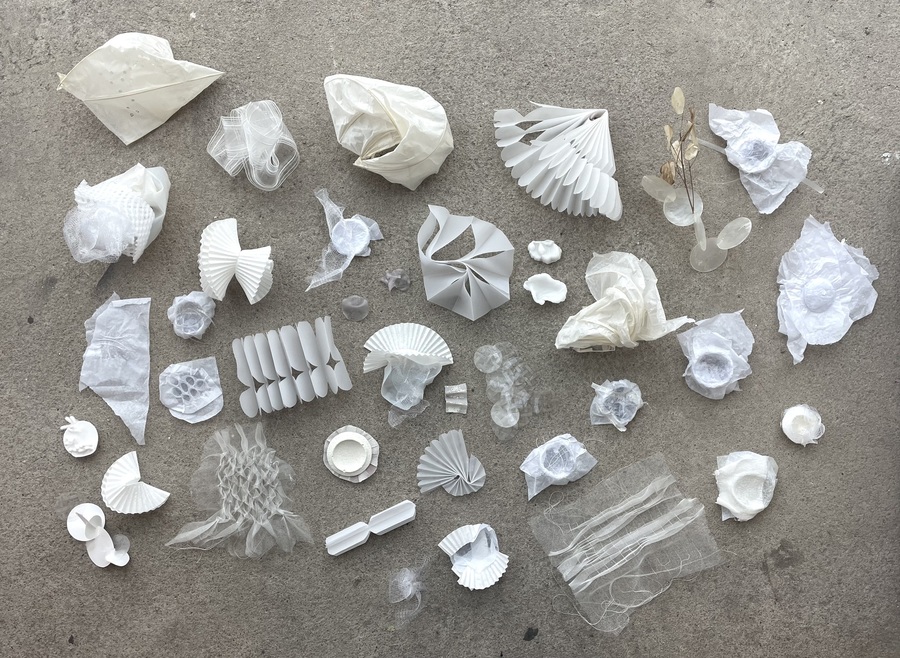
Hannah Redpath explores materiality and movement through her monochromatic collection Still in Motion. She is interested in creating sculptural pieces with illusory qualities; static pieces that appear in flight, solid materials made delicate, and valuable materials that imitate paper. Paper forms are the central theme: intentional tears, thin, airy qualities, and hand-formed textures, and her collection of rings, brooches, and neck pieces appear as lightweight, fluid extensions of the body.
Sophie Izard’s multi-use candlesticks and vases invite you to gather and make connections at the kitchen table. Interested in glorifying everyday items, her designs embrace their hidden beauty and draw you into the space. They function as connecting sets that can be reordered and mismatched, showcasing practical and visually engaging statement kitchenware pieces for the home.
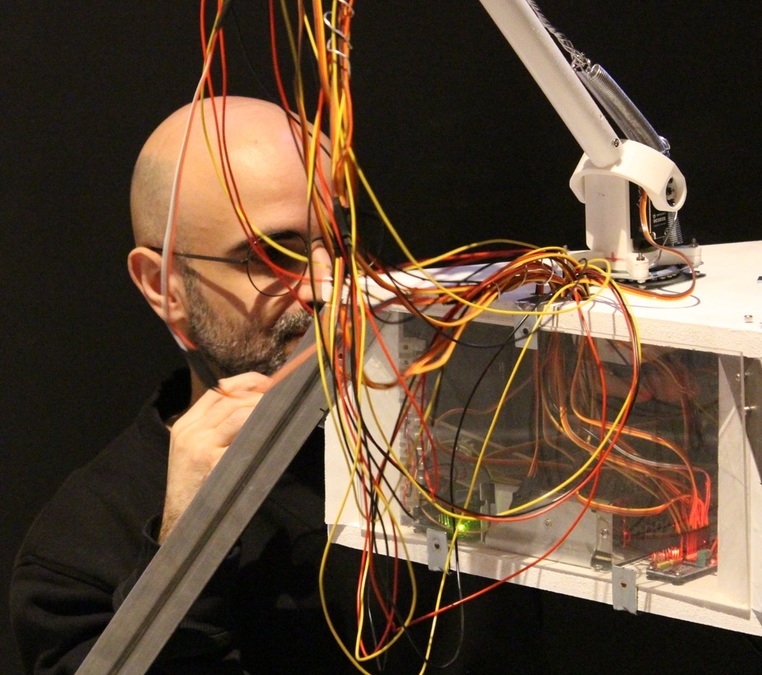
This year Interaction Design showcases a variety of installations that encourage new forms of communication. Marco Azzolina’s custom cybernetic sculpture uses motion sensors to ‘talk back and forth’ with the observer on an anthropomorphic scale. He explores therolinguistics, finding inspiration from animals that live like robots – imagine creatures from the depths of the ocean floor. The installation’s inverted communication dynamic mimics that of a zoo enclosure. Unlike common interactions with a screen or remote knowing you’re in control, here it is the installation that is engaging with you.
The School of Design hosts a diverse group of graduating designers, whose practice is rooted in building narratives and inviting connection. Their innovative approaches towards technology and craft showcase an exciting glimpse into the new wave of design.
School of Design, Reid Building, 29 May-7 Jun